In the ever-evolving digital age, email campaigns remain an essential pillar of any marketing strategy. However, the key to success lies in the ability to create campaigns that not only reach inboxes, but also convert recipients into customers or engaged followers.
In 2025, personalization, relevance and engagement are at the heart of creating effective email campaigns. In this article, we'll explore the key steps to creating campaigns that convert successfully.
Understanding the target audience of your email campaigns
Before launching email campaigns, it's crucial to understand your target audience. What are their needs, preferences and challenges? The more information you have about your audience, the more you can personalize your messages to meet their expectations. Use demographic data, past purchasing behavior and previous interactions with your emails to better target your recipients.
Marketing: segment your audience
Segmentation is the key to the relevance of your email campaigns. Divide your mailing list into smaller groups based on common characteristics. This allows you to create messages specific to each segment, increasing the chances that your emails will be read and recipients will take action.
Send personalized content
Personalization goes beyond simply including the recipient's name in the email. Use the data you've collected to create content that resonates with each segment. Offer product recommendations based on previous purchases, share relevant content and provide special offers based on each group's interests.
Think of an eye-catching object
The subject line is your first chance to pique the recipient's interest. Make sure it's clear, concise and engaging. Avoid long or ambiguous subject lines that could be mistaken for spam. You can use the e-mail subject generator at Snapshots for successful email campaigns.
Opt for an attractive, user-friendly design
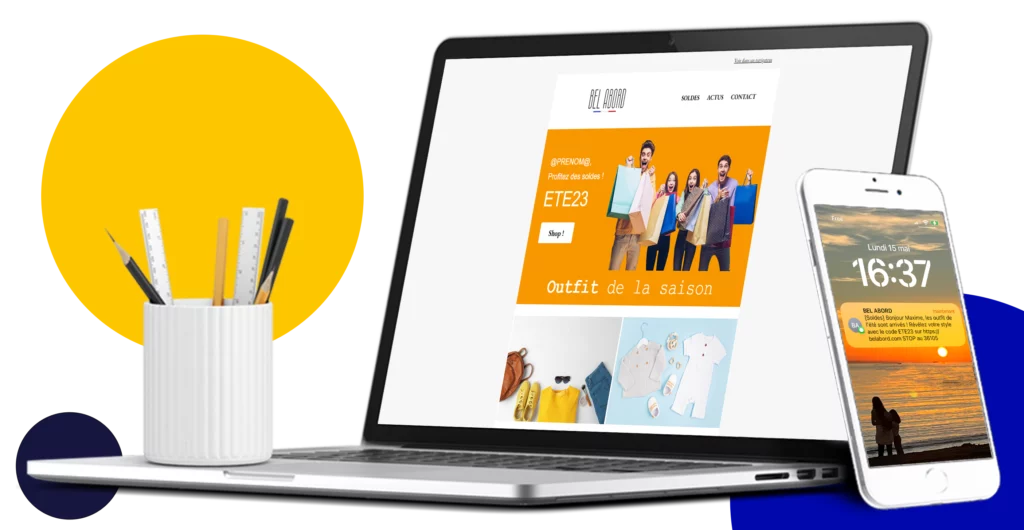
A clean, attractive and responsive email design is essential for an optimal user experience. Make sure your content is easy to read on all devices, whether desktop, tablet or smartphone.
Add a call to action
Every email should have a clear objective and a corresponding CTA. Whether you want recipients to make a purchase, register for an event or download content, make sure your CTA is clear, visible and engaging.
Focus on urgency
Adding a touch of urgency can stimulate action. Use phrases like "limited time offer" or "limited stock" to encourage recipients to act quickly.
Keep it simple
Avoid overloading your emails with too much content or information. Opt for simplicity, highlighting key elements and making them easy to read and understand.
Test, analyze and optimize your results
A/B testing is a powerful tool for optimizing your campaigns. Test different elements such as subject line, design, CTA placement and even send time to determine what works best for your audience. Test the marketing software efidem.
After sending your emails, analyze the results of each campaign. Measure open, click and conversion rates. Identify trends and patterns to adjust future campaigns accordingly.
Conclusion
In 2025, creating email campaigns that convert relies on personalization, relevance and engagement. By understanding your target audience, segmenting your mailing list and personalizing content, you can capture your recipients' attention and inspire them to take action. By using eye-catching subject lines, attractive designs and clear CTAs, you can guide your recipients towards the desired action. By constantly optimizing your campaigns through testing and analysis, you can fine-tune your strategy for outstanding conversion results. In short, the key to success lies in creating relevant, engaging experiences for your recipients while respecting the rules of the RGPD.